

Older Homes Need a More Careful Starting Point
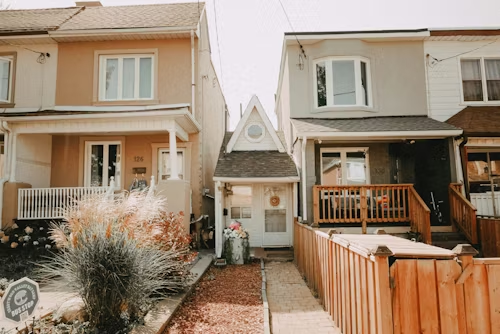
Older Toronto homes have undeniable charm. They often sit on established streets, close to schools, transit, parks, and neighbourhood amenities that homeowners do not want to leave behind. Many also have solid character features, generous lots, and mature streetscapes that newer subdivisions cannot easily match. But when it comes to renovating them, age changes everything.
An older house should never be treated like a blank canvas. Behind the walls, beneath the floors, and above the ceilings, there may be conditions that affect how the renovation needs to be planned. Outdated electrical systems, aging plumbing, inconsistent framing, settlement, moisture concerns, and previous renovations done in different decades can all shape what is actually possible. A design that looks simple on a mood board may require more technical coordination once the real condition of the home is understood.
This is especially true in Toronto, where housing stock can range from narrow city homes and post-war bungalows to larger detached properties with additions built years apart. Many of these homes were designed for a different way of living. Kitchens were smaller, storage was limited, mechanical systems were simpler, and open-concept layouts were not part of the original design. Renovating an older home successfully means respecting what is there while also improving how the house functions today.
Balance Character With Modern Function
That is why planning comes first. A home renovation in Toronto often looks straightforward on the surface, but older properties usually rely on hidden work. Homeowners picture a brighter kitchen, wider flooring, a larger shower, or a more open main floor. Those improvements matter, but in an older home they often depend on structural review, updated wiring, revised plumbing routes, corrected floor levels, and better insulation, ventilation, and air sealing behind the scenes.
A well-managed full home renovation works best when these realities are considered early. The goal is not to overcomplicate the project. It is to avoid false assumptions. Homeowners who understand the technical side of the property from the beginning are usually able to make better design decisions and keep the budget tied to what the house actually needs.
There is also the question of what should be preserved versus what should be changed. Some older Toronto homes have architectural details worth keeping, such as stair profiles, trim character, brick facades, or room proportions that create warmth. Others have layouts that feel fragmented and no longer suit modern family life. The strongest renovation strategies do not automatically keep everything, and they do not automatically replace everything either. They identify what adds real value to the home and what is holding it back.
This is where homeowners often begin comparing renovation with rebuilding. If the lot is strong but the house has too many limitations, a new build may start to make more sense. If the structure is workable and the layout can be improved efficiently, renovation may offer the better path. That comparison is one reason some homeowners look not only at renovation services but also at custom home builders in Toronto, especially when trying to decide whether to transform the existing property or start over with a new home designed around the lot from day one.
Know When Renovation and Rebuild Should Both Be Considered
Budgeting older-home renovations also requires a more disciplined mindset. Contingency is not pessimism. It is realism. Hidden conditions are more likely in older properties, and homeowners who plan for that usually make better decisions under pressure. Without contingency, even a beautiful renovation plan can become difficult once site discoveries begin. The right project team will help distinguish between predictable scope and variables that deserve a buffer.
Another common issue in older homes is trying to solve everything in a piecemeal way. Renovating one room at a time can work for some properties, but in many older Toronto homes the systems and layouts are too connected for fragmented upgrades to be efficient. A kitchen renovation may expose electrical work that should have been addressed earlier. A basement update may reveal moisture issues connected to the rest of the envelope. A bathroom upgrade may be limited by plumbing conditions elsewhere. Sometimes a more complete scope is actually the more practical option.
The best older-home renovations are thoughtful, not rushed. They improve livability without erasing the property’s strengths. They address hidden problems while upgrading the visible spaces. They bring the home closer to how a family wants to live now, rather than forcing modern expectations into an outdated layout without proper support.
For homeowners in Toronto, that kind of strategy matters. Renovating an older home can absolutely be worth it, but only when the process respects the age of the building, the character of the neighbourhood, and the technical demands behind the walls. When planning, design, and construction are aligned from the beginning, an older home can evolve beautifully. It does not need to lose its identity. It just needs a smarter plan.