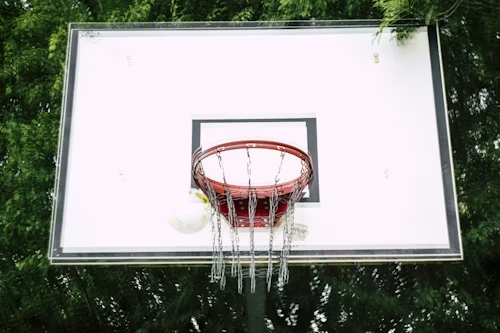


Dunking is often seen as the pinnacle of basketball skill, a combination of athleticism, timing, and confidence. Yet, for many players, the dream of slamming the ball through the hoop remains just out of reach. Surprisingly, the barrier isn’t always a lack of height or natural talent. Instead, common mistakes in training, technique, or self assessment frequently prevent players from achieving their dunking potential.
Understanding why these mistakes occur and how to address them can make the difference between touching the rim and throwing down a dunk.
Understanding the Basics: Height, Standing Reach, and Vertical Jump
Before diving into mistakes, it’s essential to understand the key factors that determine dunking ability:
Height
Height certainly plays a role, but it’s not the sole factor. Taller players naturally have a shorter distance to cover to reach the rim, but shorter players can compensate with explosive jumping ability and proper technique.
Standing Reach
Your standing reach is the height you can touch without jumping. This measurement, combined with your vertical jump, directly influences your ability to dunk. Players often overlook the importance of knowing their standing reach and assume they need more raw jumping ability than they actually do.
Vertical Jump
The vertical jump measures how high you can propel yourself off the ground. Many players focus solely on leg strength but neglect coordination, timing, and body mechanics, which are equally important for maximizing vertical lift.
By understanding how these three factors interact, players can better assess their real dunking potential. Tools like the dunk calculator can help estimate how high you need to jump based on your height and reach, giving a realistic view of whether dunking is within reach.
Common Mistakes That Prevent Dunking
Even talented athletes may fail to dunk due to subtle, correctable mistakes. Here are the most common:
1. Ignoring Proper Jumping Technique
Jumping isn’t just about leg power. Technique matters. Many players:
- Jump stiffly without using arm swing.
- Land with poor balance, which reduces confidence and height on subsequent jumps.
- Neglect timing the approach to the rim.
Focusing on coordination, rhythm, and body mechanics can add inches to your vertical jump without extra strength training.
2. Overlooking Plyometric Training
Explosive movements are key to dunking. Standard squats or leg presses build strength but don’t always translate to jumping power. Players often skip plyometric exercises like:
- Box jumps
- Depth jumps
- Broad jumps
- Jump squats
These exercises train muscles to contract quickly and powerfully, mimicking the movement required for a dunk.
3. Misjudging Running Approach
Many players attempt a dunk from a standing jump, believing vertical leap alone is enough. However, a running approach adds momentum and increases jump height. Mistakes include:
- Taking too short or too long a run-up.
- Not coordinating foot placement and speed with the jump.
- Overthinking the approach, causing hesitation.
Practicing controlled, consistent approaches is crucial for developing rhythm and maximizing height.
4. Neglecting Core Strength and Flexibility
Jumping isn’t just leg power. The core stabilizes your body during explosive movements and helps transfer energy from the lower body to the upper body. Weak core muscles limit jump height and reduce dunking efficiency. Flexibility, especially in the hips and ankles, also allows for more fluid movement and prevents injury.
5. Failing to Measure Realistic Goals
Players often rely on guesswork or comparison to professional athletes. This can lead to frustration or unnecessary training in the wrong areas. Understanding your standing reach and current vertical jump is critical. Realistic goal-setting helps players focus on measurable improvements rather than chasing impossible feats.
6. Skipping Grip and Ball Control Practice
Even if you can reach the rim, failing to properly grip the ball can ruin a dunk attempt. Small hands or improper technique can cause missed slams. Incorporate exercises that strengthen your fingers and improve ball control under dynamic conditions.
7. Mental Barriers
Many players are physically capable of dunking but are held back by fear or lack of confidence. Hesitation in the final jump, doubts about landing safely, or overthinking the movement can rob you of inches. Visualization, gradual progression, and practicing lower-rim dunks can help overcome mental blocks.
Real World Examples for Amateur Players
Consider Alex, a 5’10” player with a 7′ 1” standing reach. Despite consistent gym workouts, Alex struggled to dunk. By analyzing his mistakes:
- He relied solely on leg strength training and ignored plyometrics.
- His jump approach was inconsistent.
- He lacked flexibility in his hips and ankles.
After six weeks of focused plyometric exercises, consistent approach practice, and core strengthening, Alex added four inches to his vertical. By the end of the season, he successfully dunked during practice, showing how correcting these common mistakes can produce tangible results.
Similarly, Sarah, a 5’6” player, initially failed to dunk due to mental hesitation. By starting with rim-touching drills and gradually progressing, she built confidence while improving technique and timing. Her story illustrates that mindset and progressive practice are as critical as physical conditioning.
How to Assess Your Dunking Potential
To avoid wasted effort and frustration, take a structured approach:
- Measure your standing reach accurately.
- Test your vertical jump using a wall or measuring device.
- Use tools like a dunk calculator to determine how high you need to jump for a rim dunk.
- Identify weak areas in strength, technique, or flexibility.
- Set realistic, incremental goals and track improvement over time.
This approach ensures training is focused and efficient, avoiding common pitfalls that many players unknowingly fall into.
Conclusion
Dunking is a combination of physical ability, technique, and confidence. Many aspiring dunkers stop short due to mistakes in jump mechanics, training focus, approach consistency, or mental barriers. By understanding key factors such as height, standing reach, and vertical jump, and by correcting these common mistakes, players can maximize their dunking potential. Realistic assessment, consistent practice, and gradual progression are the keys to turning the dream of dunking into a reality.
Correcting these errors doesn’t just improve your chances of dunking, it also enhances overall athletic performance and confidence on the court.