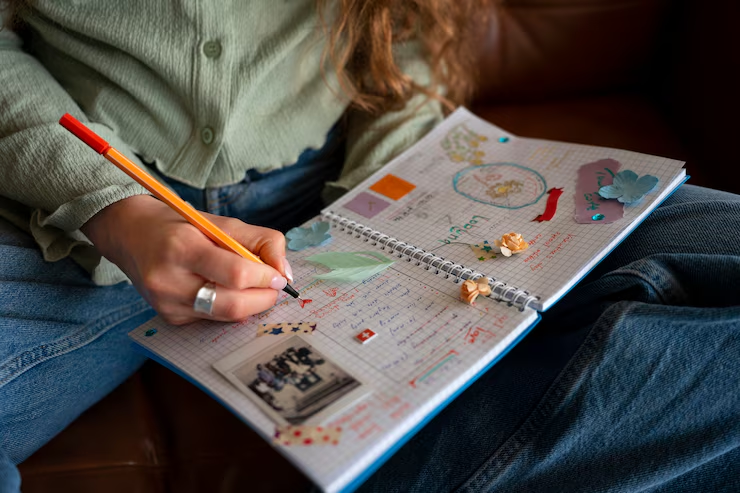


In a world where screen time is ever-increasing, parents and educators are turning to hands-on educational tools that stimulate a child’s mind without the need for electronics. Enter the busy book—a learning activity tool designed to captivate young minds, improve motor skills, and encourage independent play. This article takes a detailed look at what busy books are, their benefits, types available, and how to create or choose the right one for your child.
What Is a Busy Book?
A busy book, also known as a quiet book or activity book, is a collection of interactive, hands-on activities bound together in a book format. Typically made of felt, fabric, or other soft materials, each page of the busy book features an engaging activity designed to teach basic skills like matching, counting, zipping, buttoning, and more.
These books are usually targeted at toddlers and preschoolers, but they can be customized for various age groups and developmental levels. The goal is to foster learning through tactile play—making it a favorite among Montessori and Waldorf-inspired learning environments.
Key Benefits of a Busy Book
1. Fine Motor Skill Development
Busy books often include activities like lacing, buttoning, zipping, and snapping. These repetitive motions help strengthen small hand muscles and improve coordination—critical for tasks like writing, drawing, and using utensils.
2. Cognitive Growth
The problem-solving aspect of busy books encourages logical thinking and memory enhancement. Activities like puzzles, shape sorting, and matching games stimulate critical thinking.
3. Independent Play
Busy books are excellent tools for fostering independence. Since most activities are self-guided, children can explore and learn at their own pace without constant adult intervention.
4. Portable and Travel-Friendly
One of the biggest perks of busy books is their portability. Whether you’re going on a road trip, flying on a plane, or just heading to a restaurant, a busy book can keep your child quietly engaged.
5. Screen-Free Entertainment
In an age dominated by screens, busy books offer a healthier alternative. They help reduce screen time while promoting active, tactile learning.
Types of Busy Books
Busy books come in a wide range of styles, materials, and educational focuses. Understanding the different types can help you choose the right one for your child.
1. Fabric or Felt Books
These are the traditional busy books made from soft materials, often hand-stitched or machine-sewn. They are safe, durable, and washable—perfect for toddlers.
Common Activities Include:
- Tying shoelaces
- Counting beads
- Matching Velcro shapes
- Buttoning clothes
2. Printable Busy Books
Ideal for DIY enthusiasts, these busy books come in digital format and are printed at home. After printing, pages are laminated and often bound with rings or placed in folders.
Common Themes:
- Alphabet recognition
- Number games
- Weather and seasons
- Animal classification
3. Magnetic Busy Books
These feature magnetized pieces that stick to each page, reducing the risk of lost parts and making them ideal for travel.
Great For:
- Story sequencing
- Map exploration
- Sorting games
4. Educational Busy Books
Designed with a focus on learning outcomes, these books help children prepare for preschool or kindergarten.
Learning Areas:
- Days of the week
- Emotions and expressions
- Opposites and rhyming words
Age-Appropriate Busy Book Ideas
To ensure your child gets the most out of their busy book, it’s essential to select or create one that matches their age and developmental stage.
For Toddlers (1–2 years)
- Textures and sensory pages
- Simple shape matching
- Peek-a-boo flaps
For Preschoolers (3–4 years)
- Buttoning and snapping
- Simple counting and sorting
- Color recognition
For Early Learners (5+ years)
- Alphabet and phonics activities
- Basic addition and subtraction
- Story sequencing and logic games
How to Choose the Right Busy Book
1. Safety First
Choose non-toxic, durable materials. If making your own, double-check that small parts are securely fastened to avoid choking hazards.
2. Material Matters
Fabric and felt are best for younger children due to their softness and durability. Laminated printable books are excellent for slightly older kids who are careful with their belongings.
3. Interests and Learning Goals
Align the busy book’s theme with your child’s interests—whether it’s animals, vehicles, space, or food. This keeps them engaged and eager to learn.
4. Skill Level
Activities should be just challenging enough to keep kids interested, but not so difficult that they become frustrated.
5. Reviews and Recommendations
If buying online, check reviews for durability, educational value, and safety. Look for books with adjustable pages or activities that can be switched out as your child grows.
DIY Busy Book: Getting Started
Making your own busy book allows full customization and can be a fun bonding activity with your child. Here’s a basic step-by-step guide:
Materials Needed:
- Felt or heavy-duty fabric
- Velcro, buttons, zippers, ribbons
- Fabric glue or needle and thread
- Scissors, markers, and templates
- Binder rings or sewing machine
Steps:
- Plan Your Pages: Sketch out a few ideas based on your child’s age and interests.
- Cut Materials: Use stencils to cut shapes and pieces from felt.
- Assemble Activities: Attach interactive elements like buttons, zippers, or flaps.
- Bind Pages: Sew the pages together or punch holes and use binder rings.
- Test and Adjust: Let your child explore it and make adjustments based on their interaction.
Maintaining and Cleaning Busy Books
Busy books can collect dirt over time, especially if used frequently or taken on trips.
Cleaning Tips:
- For fabric/felt books: Spot clean with mild detergent or hand wash if needed.
- For laminated books: Wipe with a damp cloth or baby wipe.
- Store in a dust-free container or pouch to protect from wear and tear.
Busy Books in Educational Settings
Busy books are increasingly used in preschool and daycare environments to encourage hands-on learning.
Benefits in Classrooms:
- Encourage focus during circle time or quiet sessions
- Help children with special needs develop sensory and motor skills
- Offer individualized learning opportunities
The Evolving Role of Busy Books
With the rise of personalized learning tools, busy books are evolving to incorporate more advanced educational concepts and interactive components. Some now include:
- AR (Augmented Reality) integrations
- QR codes that lead to learning videos
- Interchangeable pages for customizable learning paths
This evolution ensures busy books remain relevant and impactful in modern education.
Conclusion
Busy books are more than just toys—they are powerful educational tools that offer children a fun, hands-on way to learn essential life skills. Whether you buy one or create your own, incorporating a busy book into your child’s routine can support their cognitive, emotional, and motor development.
From toddlers just beginning to explore the world to early learners developing critical thinking skills, a well-crafted busy book can make learning both joyful and meaningful. As a screen-free alternative that grows with your child, it’s no wonder busy books have become a staple in homes and classrooms alike.