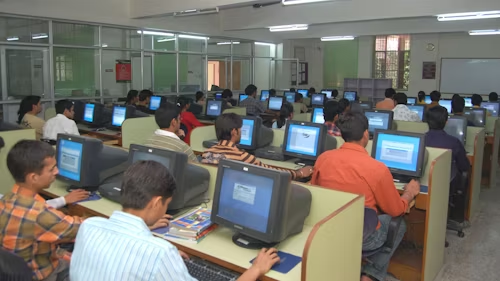


In today’s rapidly evolving digital world, technology is no longer just an accessory—it’s a necessity. From smartphones to smart homes, digital devices are deeply integrated into daily life. As technology becomes more complex and pervasive, coding has emerged as a crucial skill, not just for adults but also for children. Coding is no longer reserved for computer scientists; it’s a fundamental skill that can benefit children in countless ways.
Coding schools for kids are designed to introduce young learners to the world of programming, robotics, and computational thinking in a fun, engaging, and age-appropriate manner. These schools provide children with a structured environment where they can explore technology, develop problem-solving skills, and foster creativity.
Why Coding for Kids Matters
Coding is essentially the language of computers. It allows us to communicate with machines, create software, and build applications. For kids, learning to code goes beyond just writing programs; it teaches essential life skills such as:
- Problem-Solving Skills
Coding challenges children to break down complex problems into smaller, manageable parts. This analytical thinking encourages logical reasoning and helps kids approach problems methodically. Over time, this problem-solving mindset becomes a transferable skill applicable to school projects, personal challenges, and even future careers. - Creativity and Innovation
Coding is not just about numbers and syntax; it’s a tool for creation. Kids can design games, animations, apps, and even robots. This creative expression empowers children to think outside the box and explore innovative solutions. - Boosts Confidence
Completing coding projects provides children with a rewarding sense of achievement. Seeing their ideas come to life on a screen or through a robot instills confidence and encourages them to tackle more challenging tasks. - Future Career Opportunities
Technology is shaping almost every industry, from healthcare to entertainment. Early exposure to coding can open doors to future careers in software development, robotics, AI, cybersecurity, and more. Children who learn coding early are better prepared for high-demand, tech-driven professions.
The Advantages of Enrolling in a Coding School
While kids can learn coding through online tutorials or self-study, coding schools offer structured, hands-on learning experiences that are difficult to replicate at home. Here are some advantages:
1. Structured Curriculum
Coding schools provide a well-organized curriculum that gradually introduces coding concepts. This structure ensures children grasp fundamental skills before moving on to advanced topics like game development, artificial intelligence, or robotics.
2. Expert Guidance
Trained instructors guide students through challenges, providing immediate feedback and support. This mentorship helps children avoid frustration and ensures they understand concepts thoroughly.
3. Interactive Learning
Coding schools often employ project-based learning, where children work on real-world projects. This hands-on approach keeps kids engaged, encourages teamwork, and reinforces learning through practice.
4. Social Interaction
Learning in a group setting allows children to collaborate with peers, share ideas, and develop communication skills. Coding schools foster a sense of community, making learning more enjoyable and motivating.
5. Exposure to Advanced Technology
Many coding schools integrate robotics, AI, and app development into their curriculum. Children gain early exposure to cutting-edge technology, making them comfortable with tools and concepts that will shape the future.
How Coding Helps in Academic Growth
Coding education also complements traditional academic learning. It strengthens skills in mathematics, logical reasoning, and critical thinking. For example:
- Mathematics: Programming involves algorithms, patterns, and calculations, reinforcing mathematical concepts.
- Reading and Writing: Writing code improves comprehension and teaches structured expression.
- Science and Engineering: Robotics and STEM projects help children understand scientific principles through practical application.
Studies have shown that students who learn coding early tend to perform better in subjects requiring logical reasoning, analytical thinking, and problem-solving.
Choosing the Right Coding School
When selecting a coding school for your child, consider the following factors:
- Age-Appropriate Programs
Look for schools that offer programs tailored to your child’s age and skill level. Younger children might start with visual programming tools like Scratch, while older kids can explore Python, Java, or robotics. - Experienced Instructors
Skilled instructors who are passionate about teaching can make a significant difference. They can adapt to each student’s learning pace and keep lessons engaging. - Hands-On Learning Opportunities
Coding is best learned by doing. Ensure the school emphasizes projects, games, or robotics to apply theoretical knowledge practically. - Positive Learning Environment
A supportive, collaborative environment encourages kids to experiment, make mistakes, and learn without fear of failure. - Parental Involvement and Updates
Schools that provide progress reports, parent-student workshops, or showcase events keep parents informed and involved in their child’s learning journey.
Success Stories: How Coding Schools Transform Young Minds
Many children who attend coding schools develop a lifelong love for technology. Some start small, creating simple games or animations, while others advance to building complex apps or robotics projects. Beyond technical skills, coding schools nurture soft skills like perseverance, collaboration, and self-confidence.
For instance, children who participate in robotics competitions learn teamwork, time management, and strategic thinking. These experiences go far beyond coding—they shape well-rounded, confident, and innovative individuals.
Encouraging Lifelong Learning
Early exposure to coding can instill a lifelong passion for learning. As children grow, they are more likely to explore advanced fields such as artificial intelligence, data science, or cybersecurity. Coding classes for kids provide the foundation, but the curiosity and creativity developed early can drive continuous learning and exploration.
Conclusion
Learning to code is more than just a technical skill—it’s an investment in a child’s future. Coding school for kids provides a structured, engaging, and supportive environment where children can develop critical thinking, creativity, and confidence. By enrolling children in coding programs early, parents can equip them with the tools to thrive academically, professionally, and personally in an increasingly digital world.
In short, coding education is not just about programming; it’s about preparing young minds for a future filled with opportunities. By fostering problem-solving abilities, creativity, and technological literacy, coding schools ensure that children are ready to face tomorrow’s challenges and innovations with confidence.
Suggestion
Top Reasons to Enroll Your Child in a Coding School for Kids
How Coding Schools for Kids Foster Creativity and Problem-Solving Skills
A Beginner’s Guide to Choosing the Right Coding School for Kids
Coding Schools for Kids: Preparing the Next Generation for a Tech-Driven World